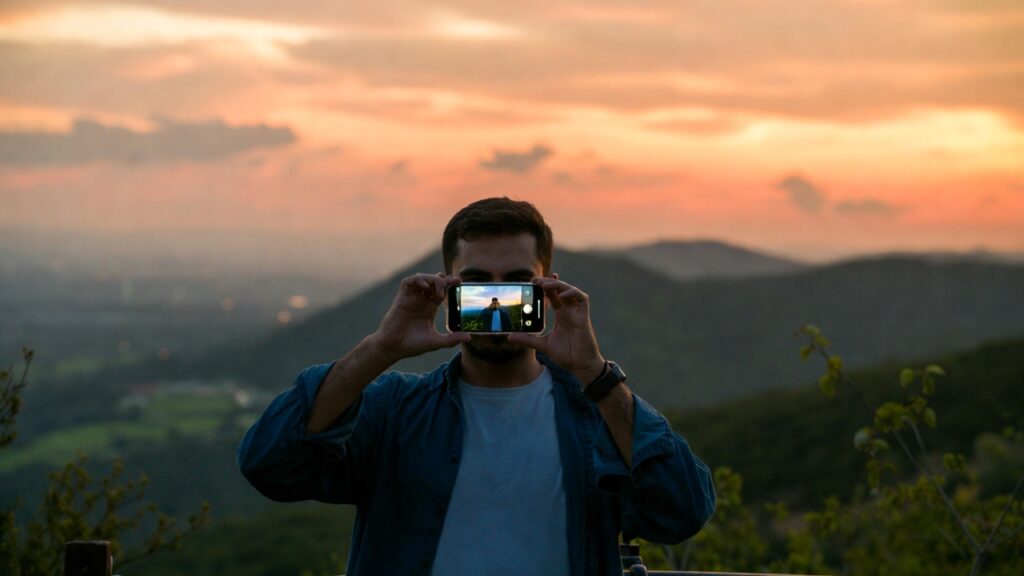
I deleted Instagram at 2 AM on a Tuesday!!
I'd been scrolling for three hours straight comparing my messy apartment to perfectly curated homes, my average body to fitness influencers, my ordinary life to everyone else's highlight reels.
I felt worse about myself than I had in months, and I couldn't even explain why.
That night was my breaking point, but the damage had been building for years.
The constant checking, the dopamine hits from likes, the anxiety when posts didn't perform well, the FOMO when seeing friends' stories, the comparison trap that left me feeling inadequate no matter what I achieved in real life.
I'm not some anti-technology crusader or digital minimalist guru. I work in tech. I understand the value of social connection.
But what I experienced and what millions are experiencing right now isn't connection.
It's something darker, more insidious, and it's affecting our mental health in ways we're only beginning to understand.
After taking a 90 day break from all social media and then rebuilding a healthier relationship with it,
I've learned what social platforms are actually doing to our brains, why we can't seem to stop even when we feel worse, and what we can do to protect our mental health without becoming digital hermits.
This is the conversation nobody wants to have because we're all complicit. But we need to have it anyway.
The Science Behind Social Media Addiction
Let's start with the uncomfortable truth: social media platforms are engineered to be addictive.
This isn't conspiracy theory it's documented fact from the designers themselves.
They're using the same psychological principles that make slot machines so effective.
Every like, comment, share, or notification triggers a dopamine release in your brain. Dopamine is the "reward" neurotransmitter that makes you feel good and motivates you to repeat behaviors.
The problem?
Social media delivers dopamine on a variable reward schedule you never know when the next hit is coming, so you keep checking. This is the same mechanism that makes gambling addictive.
I noticed this pattern in myself. I'd check Instagram "real quick" and suddenly 45 minutes had vanished.
I'd promise myself just five minutes on Twitter and emerge an hour later, feeling drained and anxious. The platforms had hijacked my brain's reward system.
Research shows that excessive social media use activates the same brain regions as substance addiction.
MRI scans of heavy social media users show decreased gray matter in areas responsible for decision making and emotional processing. We're literally changing our brain structure by scrolling.
The scariest part? The average person checks their phone 96 times per day. That's once every 10 minutes of waking hours.
We're in a constant state of partial attention, never fully present, always waiting for the next notification. This isn't living. It's existing in digital purgatory.
The Comparison Trap That's Destroying Self-Worth
Social media has turned life into a competition we never agreed to enter. Everyone's posting their wins, their perfect moments, their best angles.
Meanwhile, you're living your real, messy, imperfect life and comparing it to everyone else's carefully curated highlight reel.
This is psychological warfare we're waging on ourselves. I'd see a former colleague post about their promotion and suddenly my own career progress felt inadequate.
A friend's vacation photos made my staycation seem pathetic. Someone's engagement announcement triggered anxiety about my own relationship timeline.
None of these comparisons were logical or fair, but they happened automatically, unconsciously, constantly.
Studies show that just 30 minutes on social media significantly increases feelings of envy, loneliness, and depression.
The more time people spend on platforms like Instagram and Facebook, the worse they feel about their own lives even when they consciously know everyone's faking it.
The fitness and beauty industries have weaponized this effect. Every scroll exposes you to bodies that are genetically rare, professionally photographed, and often digitally altered.
But your brain doesn't process that context. It just registers: "I don't look like that. Something's wrong with me."
I watched this destroy my sister's self-esteem over two years. She went from confident to constantly criticizing her appearance, all because her Instagram feed was 90% fitness influencers and beauty content.
She was comparing her everyday reality to other people's carefully constructed fantasy, and she was losing.
The comparison trap doesn't just affect body image. It's career envy, relationship envy, lifestyle envy, parenting envy every aspect of life becomes a competition you're apparently losing.
This constant sense of inadequacy is exhausting and soul-crushing.
FOMO and Anxiety: The Constant State of Unease
Fear of Missing Out isn't just a trendy acronym it's a genuine anxiety trigger that social media exploits ruthlessly.
Every time you see friends at an event you weren't invited to, every inside joke you don't understand, every experience others are having that you're not, your brain interprets it as social rejection.
Humans are tribal creatures. Being excluded from the group once meant danger, even death.
Your brain hasn't evolved past this survival mechanism, so seeing others connect without you triggers the same threat response. Heart rate increases, cortisol spikes, anxiety builds.
I experienced this acutely during my social media addiction phase.
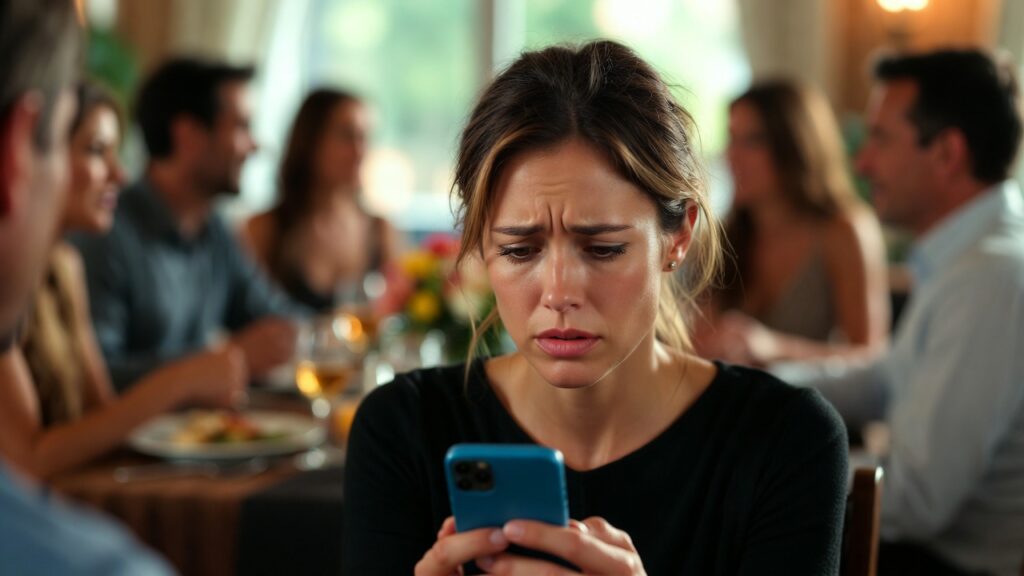
I'd see friends hanging out without me and feel genuinely hurt, even though I knew I'd turned down similar invitations recently because I was tired.
The logical part of my brain knew it was irrational. The emotional part couldn't help feeling excluded and anxious.
The relationship between anxiety and modern technology is complex, but social media amplifies anxiety in specific ways. It creates a constant background hum of low-level stress.
You're never quite relaxed because there's always something to check, someone to respond to, some potential drama unfolding.
The notification culture makes this worse.
Every ping demands your attention. Your brain learns to stay in a state of anticipation, waiting for the next alert.
You can't fully concentrate on work. You can't fully enjoy conversations. You're always partially somewhere else, and that fragmented attention is mentally exhausting.
The Sleep Destruction Feedback Loop
Here's a problem nobody talks about enough: social media is destroying our sleep, and poor sleep makes us more vulnerable to social media's negative effects. It's a vicious cycle that's hard to escape.
The blue light from screens suppresses melatonin production, making it harder to fall asleep.
But it's not just the light it's the content. Social media is designed to provoke emotional responses.
Anger, outrage, excitement, envy these aren't relaxing emotions. They activate your nervous system at exactly the time it should be winding down.
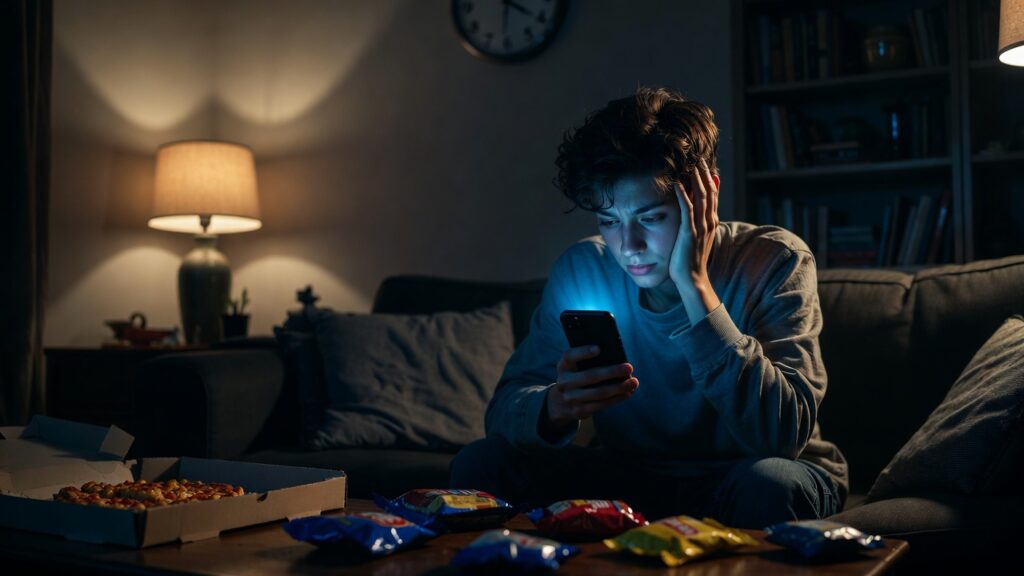
I used to scroll through Twitter before bed, telling myself it was how I unwound.
I'd see something infuriating, get worked up, and lie awake for an hour with my mind racing. Or I'd see friends' perfect evening plans and feel anxious about my own life choices. Either way, quality sleep became impossible.
Research confirms what I experienced. People who use social media before bed take longer to fall asleep, sleep fewer hours, and wake up more during the night. Poor sleep quality then impacts every aspect of mental health—increasing depression risk, worsening anxiety, and impairing emotional regulation.
But here's the truly insidious part: when you're sleep-deprived, your brain craves quick dopamine hits to compensate for low energy.
What provides instant, effortless dopamine? Social media scrolling.
So you're tired, which makes you scroll more, which makes you sleep worse, which makes you more tired. The loop tightens.
Breaking this cycle was one of the most important things I did for my mental health.
No screens two hours before bed, period.
It felt impossible at first—like cutting off a limb. Within two weeks, I was sleeping better than I had in years.
The Validation Addiction We Don't Talk About
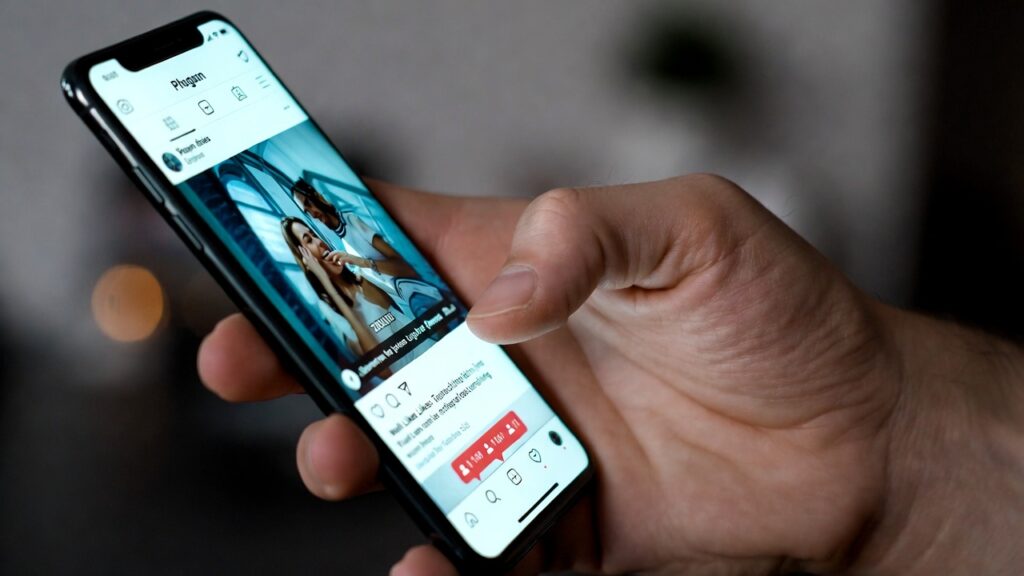
Likes, comments, shares these have become our modern currency of self-worth.
We post something and then compulsively check to see how it's performing. Each notification is a small validation that we matter, we're seen, we're liked. When that validation doesn't come, it feels like rejection.
I watched myself become addicted to this cycle.
I'd post something anything and then check back every few minutes. If it got lots of engagement, I'd feel genuinely happy, sometimes for hours.
If it flopped, I'd feel embarrassed and inadequate. I was literally outsourcing my self-esteem to the internet.
This is particularly dangerous for young people whose identities are still forming.
Studies show teenagers who base their self-worth on social media approval show higher rates of depression, anxiety, and eating disorders.
They're learning that their value as a person depends on external validation from people who barely know them.
The algorithm makes this worse by showing you content that got lots of engagement, setting unrealistic benchmarks for "success".
You see someone's post got 500 likes and yours got 30, and suddenly you feel like you failed at social media, which somehow feels like failing at life.
I've watched friends craft their entire online personas around what gets engagement, not what's authentic.
They post not because they want to share something meaningful, but because they need that validation hit.
They've become performers in their own lives, and the audience is a bunch of strangers and casual acquaintances.
The scariest question: if social media disappeared tomorrow, would you still know who you are?
Cyberbullying and Online Toxicity
Social media gives cruelty a megaphone and anonymity a shield. The things people say online to strangers and even to people they know are often things they'd never say face-to-face.
The lack of immediate consequence and physical presence removes normal social inhibitions.
I've experienced this from both sides. I've received vicious comments that stuck with me for days. I've also caught myself being harsher in online debates than I ever would be in person.
The medium itself seems to bring out worse versions of ourselves.
For many people, especially younger users, cyberbullying creates genuine trauma. It's not just "words on a screen."
When harassment is public, persistent, and inescapable (because social media is everywhere), the psychological damage is real and lasting.
Studies link cyberbullying to increased depression, anxiety, and even suicidal ideation.
Even if you're not directly targeted, simply witnessing the constant toxicity, arguments, and cruelty on social media takes a mental health toll.
Your brain isn't designed to process this much negativity. We evolved in small communities where you might witness one dramatic conflict per month.
Now you're exposed to hundreds of conflicts daily, and your nervous system treats each one as a potential threat.
The outrage machine is real, and it's exhausting. Every day there's new drama, new controversy, new reasons to be angry.
Social media platforms amplify this because outrage drives engagement, and engagement drives profit. They're monetizing your negative emotions.
The Performative Life: When Authenticity Dies
Perhaps the saddest effect of social media is how it's made us perform our lives instead of living them.
We experience moments through the lens of "how will this look online?" We curate, filter, and edit our existence into content.
I caught myself doing this constantly. Taking 30 photos of my breakfast to get the perfect shot for Instagram.
Framing my vacation experiences around what would make good posts.
Feeling annoyed when friends didn't want to be in photos because I needed "content." I was living for documentation, not experience.
This performance extends beyond photos. We craft tweets to sound clever.
We share articles we haven't read to appear informed. We check in at places to signal status. We humble-brag about accomplishments while pretending we're not bragging.
Everything becomes a performance designed to manage how others perceive us.
The mental energy this requires is enormous. You're constantly self-monitoring, editing, calculating how you're being perceived.
There's no room to just be, to exist without judgment or audience. Authenticity becomes impossible because you're always conscious of the performance.
I realized this cost when I took my social media break. Suddenly experiences were just experiences again.
I could enjoy a sunset without photographing it. I could have conversations without thinking about how to tweet them. I could fail at something without worrying who would see. The relief was profound.