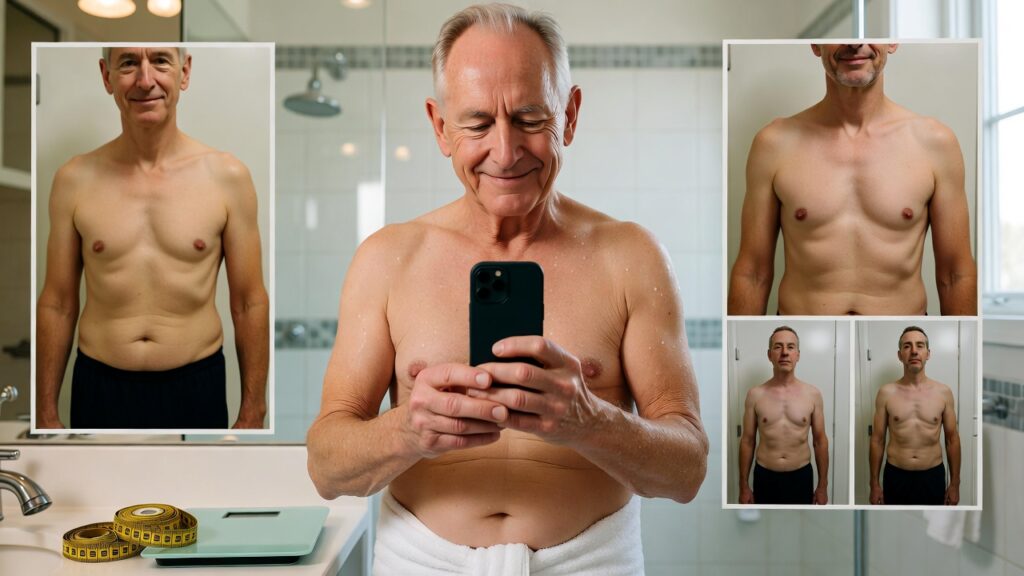
I'll never forget the moment I realized I couldn't see my feet anymore when standing up straight.
At 35, I was carrying 40 extra pounds, exhausted all the time, and my doctor had just used the word "prediabetic" during my annual checkup.
That was my wake-up call!!
The problem wasn't that I didn't know I needed to lose weight.
The problem was that every diet plan I found online seemed designed for women, fitness models, or people who had unlimited time to meal prep.
I needed something practical, sustainable, and designed for how men actually eat and live.
After months of research, trial and error, and finally losing those 40 pounds (and keeping them off for two years), I learned that men need a different approach to weight loss than what most generic diet plans offer.
Our metabolism, hormones, muscle mass, and even our relationship with food are different. This isn't about eating salads and doing cardio—it's about eating like a man while losing weight like a champion.
This is the diet plan I wish someone had handed me two years ago. No BS, no starvation, no foods you hate. Just real strategies that work for real guys.
Why Men's Weight Loss Is Different (And Easier Than You Think)
Here's the good news: men actually have biological advantages when it comes to weight loss.
We have more muscle mass, higher testosterone levels, and faster metabolisms than women.
This means when we dial in our nutrition, we can see results faster and more dramatically.
But here's where most guys screw it up we try to do too much too fast.
We cut calories to 1,200 a day, eliminate entire food groups, and wonder why we're miserable, exhausted, and binging on pizza by Friday night.
I did this at least five times before I figured out the real approach.
The key isn't eating less of everything. It's eating more of the right things and less of the wrong things.
Protein becomes your best friend. Carbs aren't the enemy timing and type matter. And fats? You actually need them for testosterone production and feeling satisfied.
I was shocked when I started eating more food than I had on my "diet" attempts and still lost weight consistently.
The difference was what I was eating and when. That simple shift changed everything.

The 3 Pillars of Male Weight Loss Success
Before we dive into the actual meal plan, you need to understand the three non-negotiable pillars that make this work. Skip even one, and your results will suffer.
Pillar 1: Protein at Every Meal (1g Per Pound Goal Weight)
This is the foundation everything else builds on. Protein does four critical things for weight loss:
- It preserves muscle while you lose fat
- It increases your metabolism through the thermic effect of digestion
- It keeps you full for hours
- It supports testosterone production
Most guys eat maybe 60-80 grams of protein daily. That's nowhere near enough if you're trying to lose fat and maintain muscle.
You should aim for at least 1 gram of protein per pound of your goal body weight. If you want to weigh 180 pounds, eat 180 grams of protein daily.
I know that sounds like a lot. When I first calculated my target, I thought it was impossible.
But once I structured my meals around protein first, it became automatic. Breakfast: 40g. Lunch: 50g. Dinner: 60g. Snacks: 30g. Done.
The difference in how I felt was night and day. No more constant hunger. No more energy crashes. No more thinking about food every hour. Protein became my secret weapon.
Pillar 2: Strategic Carb Timing
Carbs aren't bad. Eating them at the wrong times and in the wrong forms that's bad.
Your body needs carbs for energy, workout performance, and proper hormone function. The trick is eating them when your body can actually use them.
I moved most of my carb intake to around my workouts some before for energy, most after for recovery.
The rest of the day, I kept carbs moderate and focused on protein, vegetables, and healthy fats. This simple timing shift helped me lose fat while maintaining workout intensity.
The type of carbs matters too. I swapped white rice for brown rice, regular pasta for whole grain or chickpea pasta, and white potatoes for sweet potatoes.
These swaps stabilized my blood sugar, reduced cravings, and kept me full longer without requiring willpower.
Pillar 3: Calorie Deficit Without Deprivation
You need to eat fewer calories than you burn to lose weight that's just physics.
But the deficit can't be so severe that you're constantly hungry, low energy, and losing muscle along with fat.
For most men trying to lose weight, eating 300-500 calories below maintenance is the sweet spot.
This usually means 2,000 to 2,500 calories daily for guys who are moderately active. You'll lose 1-2 pounds per week, which is sustainable and mostly fat, not muscle.
I started at 2,300 calories coming from 3,500+ on my "I'll just eat whatever" plan.
The deficit was noticeable but not miserable. I had energy for my workouts, mental clarity at work, and I was still eating foods I enjoyed.
That's the difference between a diet you can stick to and one you'll quit in three weeks.
The 7-Day Meal Plan Blueprint
This isn't a rigid "eat exactly this or fail" plan. It's a framework showing you what a week of successful weight loss eating looks like for men.
Swap proteins, vegetables, and carb sources based on your preferences.
Day 1: Setting the Foundation
Breakfast (7 AM - 520 calories, 45g protein):
- 4 whole eggs scrambled with spinach and mushrooms
- 2 slices whole grain toast with 1 tbsp natural peanut butter
- Black coffee or green tea
Lunch (12 PM - 580 calories, 52g protein):
- 8oz grilled chicken breast
- Large mixed green salad with olive oil and vinegar
- 1 cup brown rice
- Apple
Pre-Workout Snack (3 PM - 220 calories, 25g protein):
- Protein shake (1 scoop whey protein)
- Banana
Dinner (7 PM - 650 calories, 58g protein):
- 8oz lean ground beef (93/7) in lettuce wraps
- Sweet potato fries (baked)
- Grilled zucchini and bell peppers
Evening Snack (9 PM - 180 calories, 20g protein):
- 1 cup Greek yogurt (plain)
- Handful of almonds
Daily Total: ~2,150 calories, 200g protein, 180g carbs, 70g fat
Day 2: Mixing It Up
Breakfast (540 calories, 42g protein):
- Protein oatmeal: 1 cup oats with 1 scoop protein powder mixed in
- 2 whole eggs on the side
- Berries
Lunch (600 calories, 55g protein):
- Tuna salad (2 cans tuna, light mayo, celery)
- Whole wheat pita bread
- Baby carrots and hummus
Snack (200 calories, 24g protein):
- Protein bar (look for 20g+ protein, low sugar)
Dinner (630 calories, 60g protein):
- 8oz salmon fillet
- Quinoa (1 cup cooked)
- Roasted Brussels sprouts with olive oil
Evening Snack (160 calories, 18g protein):
- Cottage cheese with pineapple chunks
Daily Total: ~2,130 calories, 199g protein, 175g carbs, 68g fat

Day 3-7: The Pattern
Rather than spelling out every single meal for a week (you'll get bored reading it, and I'd get bored writing it), here's the pattern I followed that kept me on track:
Breakfast rotation:
- Eggs (scrambled, omelets, hard-boiled) with whole grain carb
- Protein oatmeal with fruit
- Greek yogurt parfait with granola and protein powder
- Breakfast burrito with egg whites, lean meat, vegetables
Lunch rotation:
- Grilled chicken with rice and vegetables
- Turkey and avocado wrap with side salad
- Tuna or salmon with sweet potato and greens
- Lean beef burrito bowl with lots of vegetables
Dinner rotation:
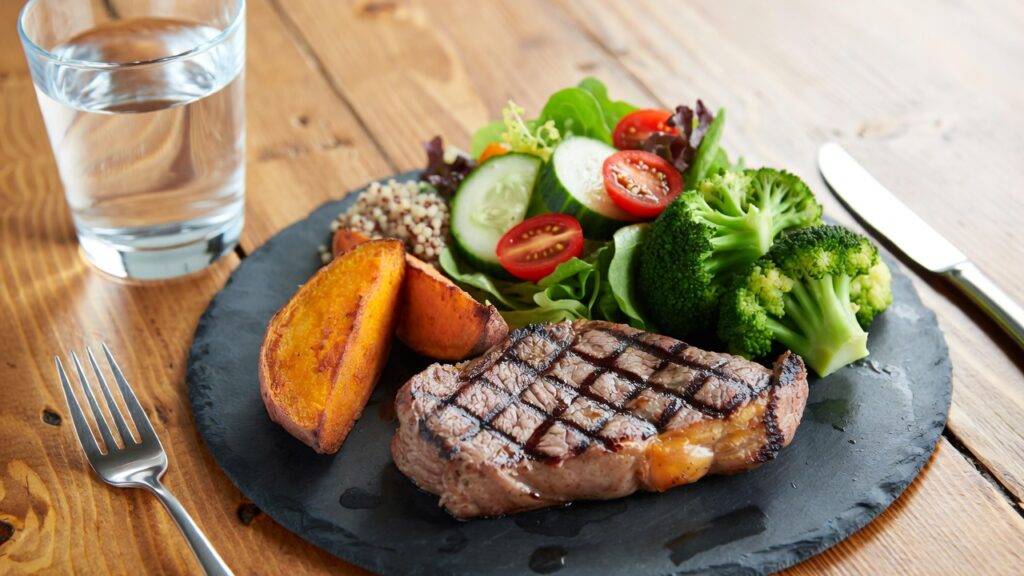
- Lean steak with potato and broccoli
- Grilled chicken with pasta and marinara
- Fish tacos with corn tortillas and cabbage slaw
- Turkey meatballs with zucchini noodles and sauce
The key is having 4-5 breakfast options you like, 4-5 lunch options, and 4-5 dinner options. Mix and match based on what you're craving and what's convenient. This prevents boredom while keeping you in your calorie and protein targets.
The Foods That Make This Easy
Forget memorizing complicated recipes or eating foods you hate. These are the staple foods that made my weight loss simple and sustainable.
Protein Powerhouses
Meats and Fish:
- Chicken breast and thighs (skinless)
- Lean ground turkey (93/7 or leaner)
- Lean ground beef (90/10 or leaner)
- Salmon, tuna, cod, tilapia
- Lean cuts of steak (sirloin, flank, round)
- Eggs (whole eggs, not just whites)
Protein Supplements:
- Whey protein powder (for shakes and protein oatmeal)
- Protein bars (20g+ protein, under 10g sugar)
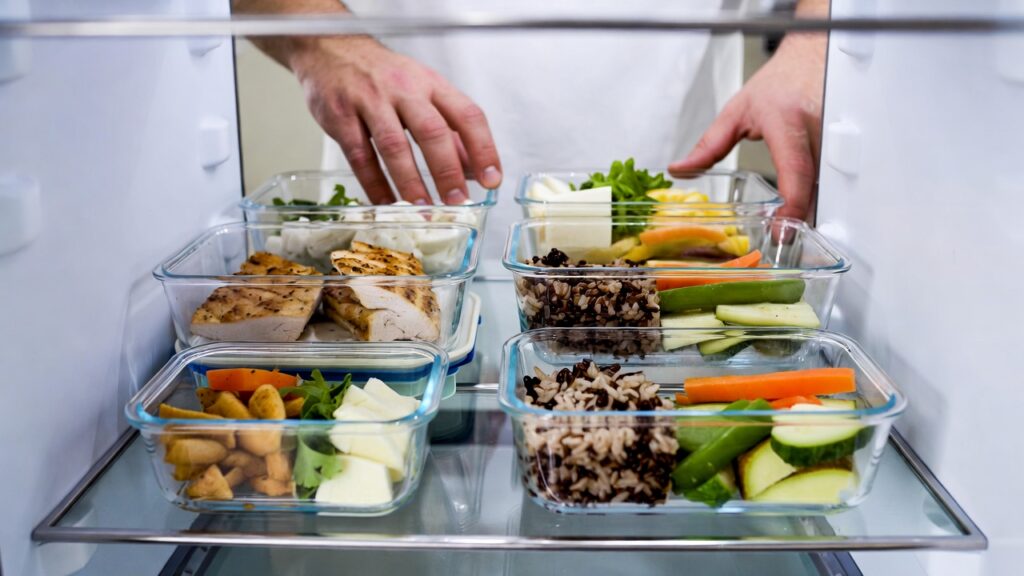
I kept at least three protein sources in my fridge at all times. This prevented the "nothing to eat" excuse that used to send me to the drive-thru.
Smart Carbs
Around Workouts:
- Brown rice, quinoa, oats
- Sweet potatoes, white potatoes
- Whole grain bread and pasta
- Bananas, berries, apples
Anytime:
- All vegetables (unlimited essentially)
- Beans and lentils
- Fruit in moderation
I used to think I had to eliminate carbs to lose weight. That made me miserable and killed my workout performance.
Eating smart carbs at strategic times let me lose fat while feeling energized.
Healthy Fats
Daily Staples:
- Avocado
- Nuts and nut butters (measured portions)
- Olive oil for cooking
- Fatty fish (salmon, mackerel)
- Egg yolks
Fats keep you satisfied and support hormone production including testosterone. Don't fear them, just don't go overboard. A serving of nuts is a handful, not half the container.
What About Alcohol and Cheat Meals?
Real talk: I like beer. I like burgers. I like pizza. Cutting these out completely was never going to work long-term, so I didn't even try.
The Alcohol Strategy
Alcohol has calories often a lot of them and it lowers inhibitions around food. That beer and wings night can easily add 2,000+ calories and derail a week of progress. But completely avoiding social situations isn't realistic either.
My rule: Two drinking occasions per week maximum, with a drink limit. I'd have 2-3 beers or glasses of wine, not 6-7. I'd eat before drinking so I wasn't starving drunk ordering everything on the menu. And I'd drink water between alcoholic drinks.
This let me maintain my social life while still losing weight consistently. Some weeks I didn't drink at all.
Some weeks I had my two occasions. Both scenarios worked because I had a plan instead of just "winging it."
The Cheat Meal Approach
I built one cheat meal per week into my plan from day one. Not a cheat day a cheat meal. There's a huge difference between one pizza dinner and an entire Saturday of eating whatever you want.
My Friday night cheat meal became something I looked forward to all week. Pizza, burgers, Mexican food, whatever I was craving. This one meal kept me sane and prevented the deprivation mindset that leads to binging.
The key: Go back to your plan at the very next meal. Don't let one cheat meal become a cheat weekend. Enjoy it, move on, keep progressing.
The Lifestyle Factors That Amplify Results
Nutrition is 70% of weight loss, but the other 30% matters more than you think. These are the factors that took my results from "okay" to "holy shit, this is working."
Sleep: The Missing Link
I used to sleep 5-6 hours a night and wonder why I was constantly hungry and craving junk food.
Turns out sleep deprivation wrecks your hunger hormones, increases cortisol (which promotes fat storage), and tanks testosterone.
When I prioritized getting 7-8 hours consistently, everything got easier.
My cravings decreased, workout performance improved, and fat loss accelerated. Sleep quality directly impacts your weight loss success, especially for men trying to maintain muscle and testosterone levels.
If you're only sleeping 5-6 hours and trying to lose weight, fix your sleep before you change anything else. It might be the most important factor.
Stress Management
Chronic stress elevates cortisol, which promotes belly fat storage and makes weight loss harder.
My job was stressful, but I wasn't managing that stress well. It was affecting my eating, sleep, and motivation.
I added three things: morning walks, evening stretching, and one complete rest day per week from all obligations.
These small additions to my routine helped manage stress levels and made staying on track with my diet much easier.
Understanding the connection between stress and your body's ability to lose weight was a game-changer for me. When cortisol is chronically elevated, your body fights to hold onto fat no matter how perfect your diet is.
Consistent Movement
I'm not talking about crushing workouts every day. I'm talking about moving your body consistently walking, taking stairs, standing more, doing active hobbies.
I aimed for 8,000-10,000 steps daily plus 3-4 strength training sessions weekly.
The daily movement kept my metabolism elevated and created a larger calorie deficit without requiring more intense exercise. The strength training preserved (and even built) muscle while I lost fat.
This combination meant I was losing mostly fat, not muscle. The result? I got leaner and more defined instead of just smaller and skinny-fat.

Common Mistakes That Sabotage Men's Weight Loss
I made all of these mistakes. Some multiple times. Learn from my failures.
Mistake #1: Cutting Calories Too Low
Eating 1,500 calories as a 200-pound man tanks your metabolism, energy, and testosterone. You'll lose weight initially, but it'll be muscle and water. Then you'll hit a wall, feel like crap, and quit.
Eat enough to fuel your body and workouts. A 300-500 calorie deficit is plenty. Patience beats aggression every time.
Mistake #2: Not Tracking Anything
"I'm eating healthy" doesn't mean much if you're eating 3,500 calories of healthy food. You can absolutely overeat chicken, rice, and vegetables if portions are huge.
Track your food for at least two weeks. You don't need to do it forever, but you need to know what proper portions actually look like. I was shocked to learn I was eating double portions of "healthy" foods and wondering why I wasn't losing weight.
Mistake #3: Doing Only Cardio
Running for hours burns calories, sure. But it also makes you hungry, tired, and doesn't preserve muscle. I did the cardio-only approach and ended up looking skinny-fat even after losing 20 pounds.
Strength training 3-4 times weekly while in a calorie deficit preserves muscle, keeps metabolism high, and creates the lean, defined look most guys actually want.
Mistake #4: Inconsistent Weekend Eating
You can be perfect Monday through Friday and completely undo it with two days of reckless weekend eating. "It's the weekend!" can't be your excuse to eat 5,000 calories both Saturday and Sunday.
Have your cheat meal. Enjoy your life. But don't have two full cheat days every week and wonder why the scale isn't moving.
Mistake #5: Giving Up After One Bad Day
One bad meal doesn't ruin your progress. One bad day doesn't even ruin your progress. But quitting after one bad day ruins all your progress.
I had days where I ate way too much. Instead of spiraling and saying "screw it, I'll start over Monday," I just got back on plan at the next meal. That resilience made all the difference.