Look, I'll be straight with you
I used to think dental problems were just about brushing twice a day and maybe flossing when I remembered (which was basically never)
But after my cousin Sarah ended up with severe gum disease at 32, despite having what seemed like perfect dental hyging, I fell down this rabbit hole of research.
What I discovered absolutely shocked me.
Turns out, your mouth is basically a window into what's happening inside your body.
Some diseases you'd never connect to dental health are actually wreaking havoc on your teeth and gums.
And honestly? Once I learned this stuff, it changed how I look at oral health completely.

The Wake-Up Call Nobody Talks About:
Here's something wild
About 90% of all systemic diseases show symptoms in your mouth first. Yeah, you read that right.
Your dentist might actually be the first person to spot serious health issues before you even feel sick.
I'm writing this because I wish someone had told me all this years ago. My buddy Marcus?
He ignored his bleeding gums for months, thinking it was just because he brushed too hard.
The guy was only 34, played basketball twice a week, seemed healthy as a horse.
Turns out he had undiagnosed diabetes.
Her dentist was the one who caught it during a routine cleaning when she noticed his gums weren't healing properly and asked about his blood sugar levels.
Marcus told me later that if he'd waited another six months, he could've been facing serious complications. His wake-up call cost him two teeth and nearly $8,000 in dental work.
real cost?
Almost losing his eyesight because uncontrolled diabetes was already damaging his retinas.
So let's dig into this, shall we? Because understanding these connections might literally save your life.
Diabetes: The Silent Tooth Destroyer
This one's huge, and most people don't realize the connection until it's too late.
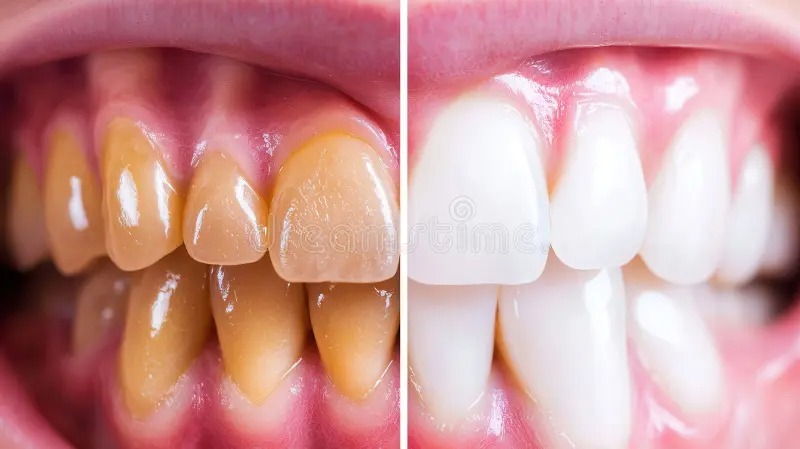
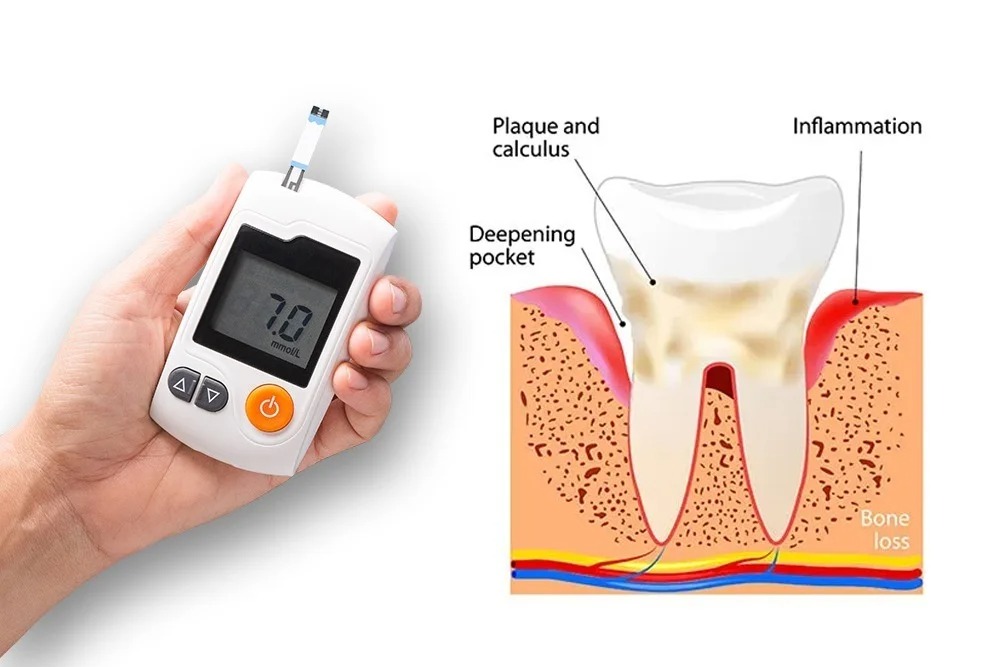
When your blood sugar is all over the place, it affects literally everything in your body – including your mouth. High blood sugar levels create the perfect playground for bacteria.
These little troublemakers feast on the excess glucose in your saliva and along your gum line, leading to serious infections.
What happens is this: if you have diabetes (or pre-diabetes, which affects way more people than you'd think), you're two to three times more likely to develop gum disease.
And here's the cruel irony – severe gum disease can make it harder to control your blood sugar.
It's this vicious cycle that keeps feeding itself.
My friend Marcus learned this the hard way.
Once he was diagnosed with Type 2 diabetes, his doctor explained that the infection in his gums was actually making his blood sugar harder to control.
The inflammation from his gum disease was causing insulin resistance. Mind-blowing, right?
The scary part? Early symptoms are super easy to miss.
Maybe your gums bleed a little when you brush. Maybe they look slightly redder than usual.
You might notice a bad taste in your mouth that won't go away, or your breath smells different. Most people just shrug it off, pop a mint, and move on.
But for diabetics, this can escalate fast – leading to tooth loss, abscesses, and infections that can spread to other parts of your body.
Marcus described it to me like this: "Man, I thought I just had bad breath. I was going through packs of gum every week.
My wife kept telling me to see a dentist, but I kept putting it off. Biggest mistake of my life."
He also experienced loose teeth, which made eating uncomfortable. Simple things like biting into an apple became painful.
His gums would bleed every single time he brushed, but he just thought he was being too aggressive with his toothbrush.
By the time he got properly diagnosed and started treatment, the damage was already significant.
But here's the good news
once he got his blood sugar under control AND addressed his gum disease simultaneously, things started improving. It took time, dedication, and finding the right approach to oral health.
If you're dealing with diabetes or suspect you might be pre-diabetic
that addresses both blood sugar's impact on your mouth and how to rebuild your oral health from the ground up. Marcus said he wished he'd known about this years earlier – could've saved him a fortune and a lot of pain.
Heart Disease and Your Gums: An Unexpected Partnership
This one blew my mind when I first learned about it, and it's probably the most underestimated connection in all of medicine.
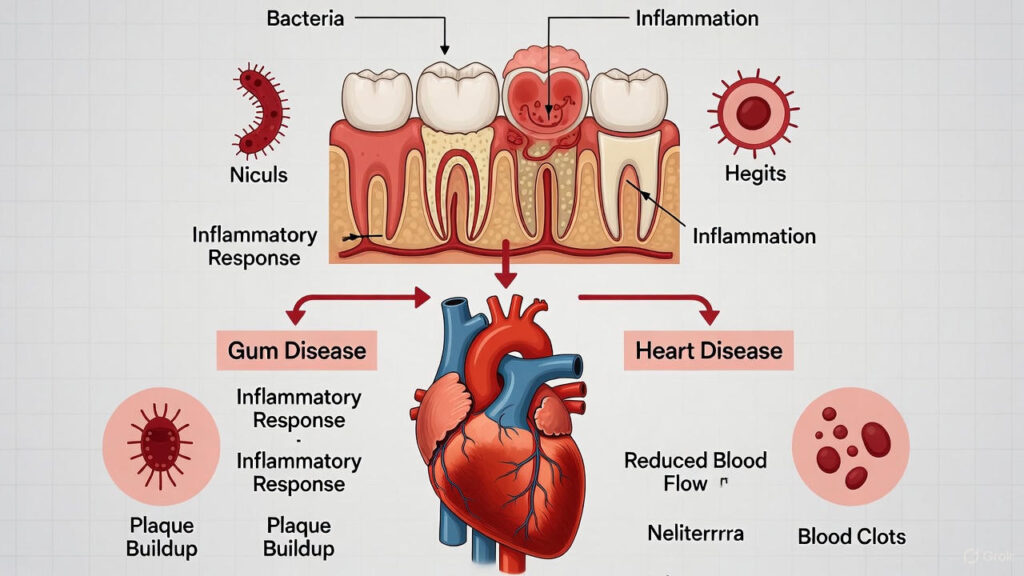
Scientists have found actual oral bacteria in the arterial plaques of people with heart disease. Like, the same bacteria from your infected gums can end up in your heart. How crazy is that?
When you have gum disease, bacteria can enter your bloodstream every time your gums bleed – which might be happening multiple times a day when you eat, brush, or even talk.
Once in your bloodstream, these bacteria can attach to fatty deposits in your blood vessels, causing inflammation and increasing your risk of clots.
People with periodontal disease are almost twice as likely to suffer from coronary artery disease.
And if you've already had a heart attack, gum disease can significantly increase your risk of having another one.
I started taking this seriously after my dad had a heart scare last year. He's 62, and one morning he woke up with chest pains.
Rushed him to the ER, and thankfully it wasn't a full-blown heart attack, but his cardiac markers were elevated.
The cardiologist ran a full workup and discovered significant arterial inflammation.
Here's where it gets interesting
his cardiologist actually sent him to a periodontist as part of his treatment plan.
The periodontist found advanced gum disease that my dad had been ignoring for years. "A little bleeding here and there" is how he described it.
That "little bleeding" was actually chronic infection pumping bacteria into his bloodstream 24/7.
The periodontist explained it to us like this:
"Imagine having an open wound on your arm that never heals, constantly exposed to bacteria. That's basically what's happening in his mouth, except the bacteria have direct access to his bloodstream."
After six months of aggressive treatment for both his heart and his gums, dad's cardiac markers improved significantly.
His cardiologist told him that treating the gum disease probably added years to his life. Who knew?
Osteoporosis: Not Just About Your Bones
Most people think osteoporosis only affects your hips, spine, and wrists. Wrong.
Your jawbone is bone too, and when osteoporosis starts eating away at your bone density, your jaw is fair game. And guess what holds your teeth in place?
Yep, your jawbone.
Women with osteoporosis are three times more likely to experience tooth loss than those without it.
The disease weakens the bone that supports your teeth, making them loose and more susceptible to falling out.
It's like the foundation of a house slowly crumbling away.
My neighbor, David, actually experienced this firsthand.
Now, you might think osteoporosis only affects women, but that's a dangerous myth.
David was 58 when he started noticing his teeth felt "different" – slightly loose, shifting position.
He could literally wiggle one of his molars with his tongue.
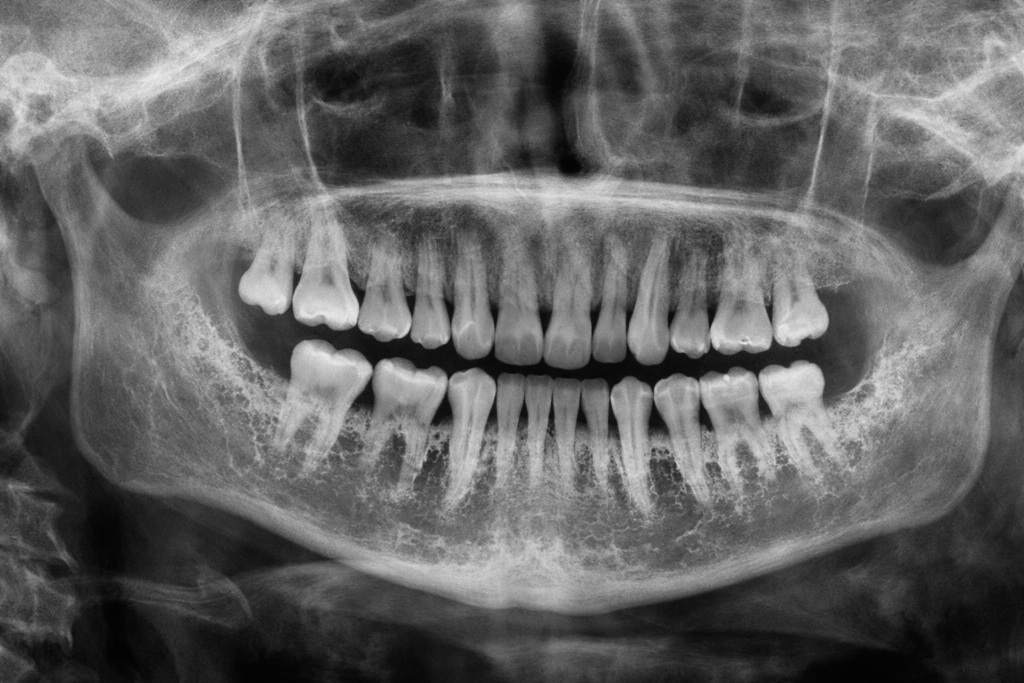
His dentist took one look at his X-rays and immediately saw the bone loss.
The bone density around his teeth had decreased significantly.
She referred him to get a full bone density test, and sure enough – osteoporosis. Caught it early enough to manage it properly and save most of his teeth.
David told me,
"I thought osteoporosis was something only my wife needed to worry about. I lift weights, eat pretty healthy, never thought it could happen to me. The dentist probably saved me from breaking a hip down the line."
The medication he takes now for osteoporosis comes with its own dental considerations. Bisphosphonates, which are commonly prescribed for osteoporosis, can actually cause problems with jaw bone healing.
So he needs to be extra careful and work closely with both his doctor and dentist.
Autoimmune Diseases: When Your Body Attacks Your Mouth
This category is particularly rough because these conditions involve your own immune system turning against you.
And trust me, when your immune system decides your mouth is the enemy, things get ugly fast.
Sjögren's Syndrome is especially brutal for your mouth.
Your immune system attacks the glands that produce saliva and tears.
Without enough saliva, your mouth becomes a breeding ground for cavities and infections.
I met a guy named Tom at a health seminar who told me his story with Sjögren's.
He said he went from zero cavities his whole life to twelve in just two years after developing this condition.
Twelve! This is a man who brushed religiously, flossed daily, and had perfect dental genetics.
His mouth went from being his pride and joy to a constant source of pain and expensive dental bills.
The lack of saliva meant food particles would stick to his teeth longer, bacteria would thrive, and his natural oral defenses were completely compromised.He ended up needing crowns, root canals, and eventually a couple of implants.

Rheumatoid Arthritis doesn't just hurt your joints
it significantly increases your risk of gum disease. The inflammation that causes joint pain also affects your gums.
Plus, if your hands hurt too much to brush and floss properly, you're fighting a losing battle.
My gym buddy Kevin has RA,
and he explained how brutal the combination is. Some mornings, his hands are so stiff and painful that he can't grip his toothbrush properly.
The inflammation in his body is so systemic that his gums are perpetually swollen and sensitive.
He's in his early 40s and has already lost three teeth.
Lupus can cause mouth sores, dry mouth, and increased risk of fungal infections. The medications used to treat it often make things worse by further reducing saliva production.
If you're dealing with any autoimmune condition,
has helped a lot of people manage their symptoms better.
It focuses on reducing inflammation naturally and supporting your mouth's ability to defend itself even when your immune system is compromised.
HIV/AIDS: The Oral Complications Nobody Mentions
People with HIV are much more susceptible to oral infections, lesions, and problems that can be really painful and difficult to treat.
This is something that doesn't get talked about enough, and the stigma around it means people suffer in silence.
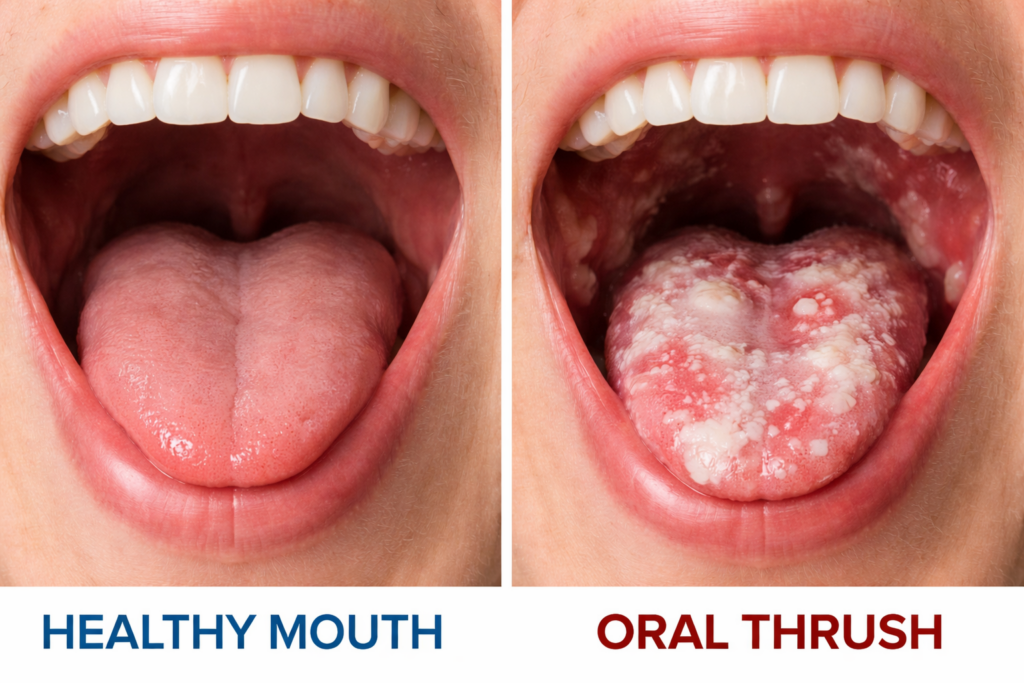
Oral thrush (a fungal infection), severe gum disease, dry mouth, and mouth ulcers are all significantly more common.
Before effective antiretroviral therapy existed, dentists could often spot HIV/AIDS before it was officially diagnosed just by looking in someone's mouth.
I volunteered at a clinic a few years back, and a nurse there told me about a patient named James. He came in complaining about persistent white patches in his mouth that wouldn't go away.
They were painful, made eating difficult, and nothing he tried seemed to help.
The dentist immediately recognized it as oral thrush and gently suggested he get tested for HIV.
James was shocked – he'd never connected his mouth problems to anything systemic.