I've tried every diet under the sun.
Keto, paleo, intermittent fasting, juice cleanses you name it, I've done it.
And you know what? They all worked. For about three weeks.
Then I'd find myself standing in front of the fridge at midnight, eating cold pizza straight from the box, wondering where it all went wrong.
The problem wasn't the diets themselves. It was me trying to overhaul my entire life overnight.
Real, lasting weight loss doesn't come from 30 day transformations or restrictive meal plans. It comes from small, sustainable habits that you can actually maintain for years, not just weeks.
After losing 35 pounds and keeping it off for three years now, I've learned that it's not about perfection. It's about consistency.
Here are the nine eating habits that changed everything for me and they can work for you too.
1. Eat Protein at Every Single Meal (Yes, Even Breakfast)
This was the game-changer I didn't see coming.
For years, my breakfast was toast with jam or a bowl of cereal.
By 10 AM, I was starving and reaching for whatever snacks were in the office kitchen. Sound familiar?
Protein does something magical:
It keeps you full. When you eat protein, your body releases hormones that signal satiety to your brain.
It also takes longer to digest than carbohydrates, meaning you stay satisfied for hours instead of minutes.
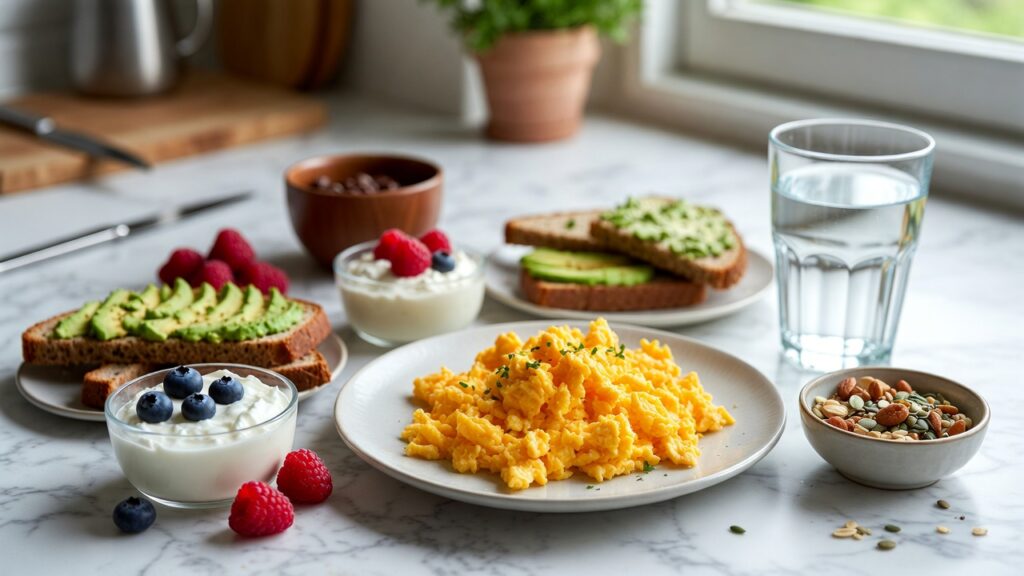
I started adding eggs to my breakfast, Greek yogurt to my snacks, and making sure lunch and dinner centered around a good protein source.
The difference was immediate. Those mid-morning hunger pangs? Gone.
The 3 PM energy crash that sent me hunting for chocolate? Disappeared.
Aim for at least 20-30 grams of protein per meal. That's about three eggs, a chicken breast, or a cup of Greek yogurt.
Your body will thank you, and your cravings will quiet down significantly.
2. Drink Water Before You Eat (And Throughout the Day)
I used to roll my eyes at this advice. Water? Really? That's the big secret? But then I actually tried it, and honestly, it works.
Here's why:
Our brains sometimes confuse thirst for hunger. How many times have you felt hungry, eaten something, and still felt unsatisfied? You might have just been thirsty.
I started drinking a full glass of water about 20 minutes before each meal.
This simple habit helped me eat smaller portions without feeling deprived. Studies show that people who drink water before meals consume about 75 fewer calories per meal.
That might not sound like much, but over a year, that's almost eight pounds of weight loss from just drinking water.
Beyond pre-meal hydration, I keep a water bottle with me everywhere. When I feel snacky, I drink water first. About half the time, the craving disappears completely.
The general rule is half your body weight in ounces daily. If you weight 160 pounds, aim for 80 ounces of water.
It sounds like a lot, but once you build the habit, it becomes automatic.
3. Practice the Plate Method (No Calorie Counting Required)
I hate counting calories. There, I said it.
Weighing food, tracking every bite in an app, calculating macros it made eating feel like a math exam. I needed something simpler.
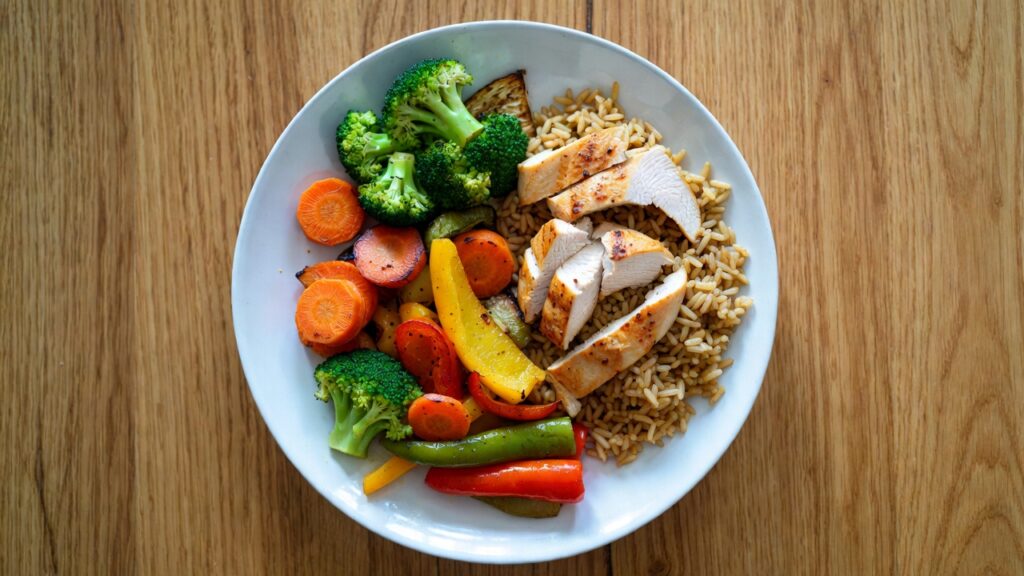
Enter the plate method. Imagine your dinner plate divided into sections:
Half vegetables, one-quarter protein, one-quarter complex carbohydrates. That's it. No calculator needed.
This visual approach automatically creates a calorie deficit without the obsessive tracking.
Vegetables are low in calories but high in volume, so you fill up without overdoing it.
The protein keeps you satisfied. The carbs give you energy without going overboard.
I use a regular nine-inch plate, not those giant dinner platters that have become standard. Plate size matters more than you'd think.
Research shows that people eat 20-25% less food when using smaller plates, simply because it tricks your brain into thinking you're eating more.
For snacks, I use the same principle:
Pair a protein with a vegetable or fruit. Apple slices with almond butter. Carrots with hummus. Cherry tomatoes with string cheese. Simple, satisfying, and it works.
4. Slow Down and Actually Taste Your Food
This one felt weird at first. I was a fast eater.
Breakfast in the car, lunch at my desk while answering emails, dinner in front of the TV. I could demolish a meal in five minutes flat.
The problem? It takes about 20 minutes for your stomach to signal your brain that you're full.
When you eat quickly, you consume way more than you need before your body can tell you to stop.
I started putting my fork down between bites. Chewing thoroughly. Actually tasting my food instead of inhaling it.
At first, it felt painfully slow. But something interesting happened: I enjoyed my food more, and I ate less of it.
Mindful eating isn't some woo-woo concept. It's practical. When you pay attention to your food, you notice when you're satisfied.
You stop eating when you're full, not when your plate is empty.
Try this: set a timer for 20 minutes at your next meal.
Challenge yourself to make the meal last that long. Put your phone away. Turn off the TV. Just eat. You'll be surprised how much more satisfying the meal becomes, and how much less food you actually need.
5. Plan Your Meals (Even Just Loosely)
I used to wing it every day. I'd get home from work, stare into the fridge, find nothing appealing, and order takeout.
Again. This happened at least four times a week, and it was killing both my wallet and my waistline.
Meal planning changed this completely. And before you picture me spending all Sunday in the kitchen -
No. I'm not talking about cooking thirty meals in advance. I'm talking about knowing what you're eating this week.
Every Sunday, I spend fifteen minutes planning dinners for the week.
Just a simple list: Monday chicken stir-fry, Tuesday taco bowls, Wednesday pasta with vegetables. That's it. Then I grocery shop once with that list.
This prevents decision fatigue. When you're tired and hungry after work, you're going to make poor choices. But when you already have a plan and the ingredients ready? You follow through.
I also prep a few basics on Sunday:
Wash and chop vegetables, cook some chicken or hard-boil eggs, portion out snacks.
These small preparations make healthy eating effortless during the busy week.
The result? I order takeout maybe once a week now, and when I do, it's a conscious choice, not a desperation move.
6. Keep Healthy Snacks Visible and Junk Food Hidden (Or Gone)
Out of sight, out of mind. It sounds simple, but it's incredibly effective. I used to keep a candy jar on my desk.
I'd mindlessly grab pieces throughout the day, easily consuming hundreds of extra calories without even realizing it.
Environmental design matters more than willpower. If cookies are on the counter, you'll eat cookies. If apples are on the counter, you'll eat apples.
I reorganized my kitchen. Fresh fruit goes in a bowl on the counter where I can see it.
Cut vegetables are at eye level in the fridge. Nuts are portioned into small containers and easy to grab.
The junk food? If it's in the house at all, it's in the back of the highest cabinet or the bottom drawer of the pantry. Better yet, I just don't buy it.
I know that sounds extreme, but here's the truth:
I can't eat chips that aren't in my house. My willpower is strong at the grocery store for ten minutes. It's weak at home for ten days.
This isn't about deprivation. It's about making healthy choices easier than unhealthy ones. When the easy option is the healthy option, you'll make better choices automatically.
7. Use the 80/20 Rule (Perfection is Not Required)
This might be the most important habit on this list. For years, I was an all-or-nothing person.
I was either perfectly on a diet or completely off the rails. One cookie would turn into ten because "I already messed up, so what's the point?"
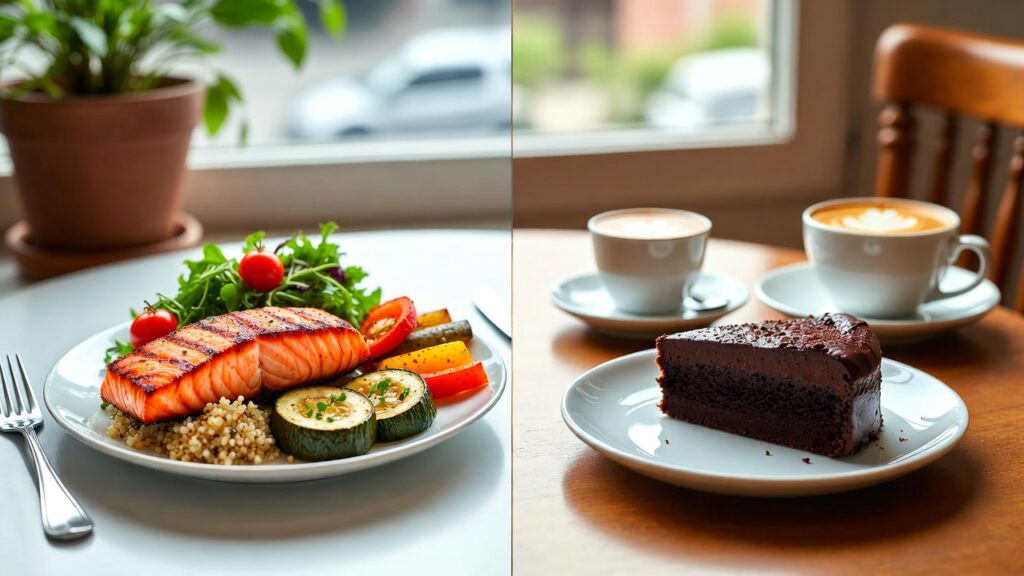
The 80/20 rule saved me from this destructive cycle. Eat nutritious, whole foods 80% of the time. The other 20%? Live your life. Have the birthday cake. Enjoy pizza with friends. Drink the wine.
This approach is sustainable because it doesn't require perfection.
You're not "breaking" a diet when you have dessert—you're following your plan.
There's no guilt, no shame spiral, no Monday morning "fresh start" because you never actually stopped.
I eat well Monday through Friday most of the time. Weekends are a bit more relaxed.
Special occasions are enjoyed without stress. The result? I've lost weight while still living my life, not while hiding from it.
Weight loss isn't about being perfect. It's about being consistent. Eating healthy most of the time produces results. Trying to eat healthy all of the time produces burnout and binges.
8. Stop Eating Straight from the Package
This habit seems small, but it had a huge impact on my portion control. I used to sit on the couch with a bag of chips or a pint of ice cream, telling myself I'd only have a little.
Next thing I knew, the bag was empty and I felt sick.
When you eat from the package, you have no idea how much you're consuming.
There's no visual reference, no stopping point. You just keep eating until it's gone.
Now I portion everything. If I want chips, I put a serving in a bowl. If I want ice cream, I scoop it into a dish. This creates a natural stopping point.
Once the bowl is empty, I'm done. Most of the time, that portion is enough, and I don't need more.
This works for healthy foods too. Nuts are nutritious, but they're also calorie-dense.
It's easy to eat 400 calories of almonds straight from the container without realizing it. Portioned out?
I'm satisfied with 150 calories worth.
The act of portioning also creates a moment of awareness. You see how much you're about to eat.
Sometimes that's enough to make you reconsider whether you're actually hungry or just bored.
9. Eat Your Favorite Foods, Just Make Them Better
Deprivation doesn't work. I learned this the hard way multiple times. Every time I cut out all my favorite foods, I'd last a few weeks before craving them so intensely that I'd binge.
The solution? Don't eliminate your favorites. Improve them.
I love pasta, so I didn't give it up. Instead, I started using whole grain pasta and added tons of vegetables to the sauce. I still eat pasta regularly, but now it's more nutritious and filling.
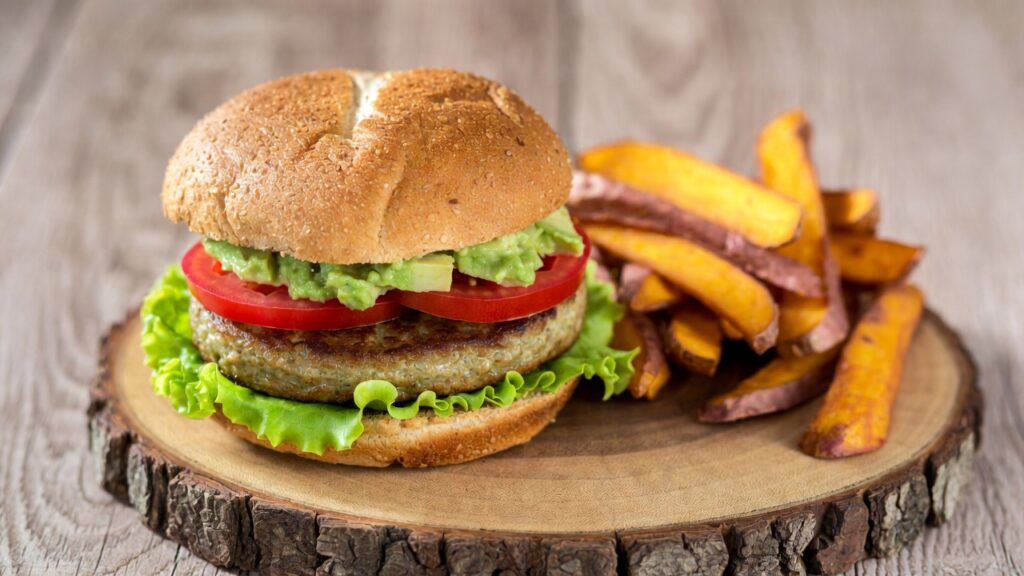
I crave burgers, so I make turkey burgers or lean beef burgers at home with a whole wheat bun and load them up with lettuce, tomato, and avocado. Way better than the drive-through version, and it satisfies the same craving.
I have a sweet tooth that won't quit, so I make healthier desserts. Greek yogurt with honey and berries. Dark chocolate instead of milk chocolate. Homemade banana "nice cream" instead of regular ice cream.
The point isn't to trick yourself into thinking these are exactly the same as the original versions.
They're not. But they're close enough to satisfy the craving while supporting your goals.
Food should be enjoyable. Life is too short to eat things you hate in the name of weight loss. Find the overlap between foods you love and foods that love you back.
The Reality Check You Need to Hear
Here's what nobody tells you about weight loss: it's slow. Frustratingly slow.
I lost 35 pounds over about ten months. That's less than a pound a week. Some weeks the scale didn't move at all. Some weeks it went up despite me doing everything right.
But you know what?
That's exactly why it worked. Fast weight loss is almost always followed by fast weight regain. Slow, steady weight loss from sustainable habits? That's the kind that lasts.
These nine habits didn't transform my body overnight. They transformed my relationship with food over time. I stopped seeing eating as a battleground where I was constantly fighting myself.
I started seeing it as an opportunity to nourish my body and enjoy my life simultaneously.
The scale was never the real victory.
The victory was being able to go to a restaurant without anxiety. The victory was stopping when I was full without guilt about wasted food. The victory was enjoying dessert without spiraling into a binge. The victory was feeling confident and energized in my body.