Let me be brutally honest with you!
I spent three years thinking I was lactose intolerant, when the real problem was that I was drinking the wrong type of milk entirely.
Every morning started the same way:
A cup of coffee with regular milk, followed by that familiar uncomfortable bloating around 10 AM.
I'd blame it on stress, my desk job, or whatever I ate the night before.
Never the milk. Because milk is supposed to be healthy, right?
Wrong. Or at least, partially wrong.
After countless doctor visits, elimination diets, and enough probiotics to fill a small pharmacy, I finally discovered something that changed everything:
not all milk is created equal when it comes to gut health.
Today, I'm going to share everything I learned through my painful trial-and-error journey, backed by actual research and real results.
If you're dealing with bloating, irregular bowel movements, or that general "my stomach hates me" feeling, this might be the article that changes your life.
Why Your Gut Health Depends on the Right Milk Choice:
Before I dive into which milk saved my digestive system, let me explain why this matters so much.
Your gut isn't just about digestion
it's home to trillions of bacteria that control everything from your immune system to your mental health. Scientists call it your "second brain," and honestly, after living with gut issues, I completely understand why.
When I was consuming the wrong milk, here's what was happening inside my body (and probably yours too):
- The bad bacteria were throwing a party
- The good bacteria were barely surviving
- My gut lining was getting damaged
- Inflammation was building up silently
- My immune system was constantly on alert
The result? I was tired all the time, my skin looked dull, and I was constantly bloated. Sound familiar?
My Painful Journey Through Different Milks
Let me take you through my personal milk experiments. This isn't textbook theory - this is real life, with real digestive consequences.
Regular Cow's Milk: The Beginning of My Problems
For 25 years, I drank regular pasteurized milk without a second thought. Then suddenly, in my late twenties, my body decided to rebel.
What I experienced:
- Bloating within 30-60 minutes of drinking
- Occasional stomach cramps
- Unpredictable bathroom situations
- A general feeling of heaviness
I assumed I'd developed lactose intolerance. But when I tried lactose-free milk, something strange happened - I still felt off. Not as bad, but definitely not great.
That's when I realized: lactose wasn't my only problem.
The A1 vs A2 Milk Discovery That Changed Everything
This is where things get interesting, and where most articles completely miss the point.
Most regular cow's milk contains a protein called A1 beta-casein. For some people (like me), this protein triggers inflammation in the gut. It's not lactose intolerance - it's A1 protein sensitivity.
When I switched to A2 milk (which only contains the A2 beta-casein protein), something remarkable happened:
Within one week:
- My morning bloating reduced by about 60%
- I stopped feeling that heavy, sluggish feeling
- My bathroom schedule became... let's say, more predictable
After one month:
- Bloating was almost completely gone
- My energy levels improved noticeably
- I actually started looking forward to my morning coffee again
But here's the thing - A2 milk was just the beginning of my discovery.
The Milk Rankings: From My Personal Gut Health Experiments
After two years of trying everything, here's my honest ranking based on what actually worked for my gut:
1. Kefir - The Unexpected Champion
I know, I know - kefir isn't technically "milk" in the traditional sense. But hear me out.
Kefir is fermented milk loaded with probiotics - we're talking 30 to 40 different strains of beneficial bacteria. When I started drinking just half a cup every morning, the changes were dramatic.
Why it won for me:
- Contains billions of probiotics that actually survive your stomach acid
- The fermentation process breaks down most of the lactose
- It has a tart, tangy taste that I actually grew to love
- My digestion became clockwork-regular
How I consume it:
I blend half a cup with a banana and some honey every morning. The taste takes getting used to, but the results are worth it.
Real talk: The first week, I experienced some mild gas. This is normal - your gut bacteria are adjusting. Push through it. By week two, I felt amazing.
2. A2 Milk - The Daily Driver
For regular milk needs - coffee, tea, cereal - A2 milk became my go-to.
Why it works:
- Contains only the A2 beta-casein protein (easier on the gut)
- Still has all the calcium and nutrients of regular milk
- Tastes exactly like regular milk (this was huge for me)
- No bloating, no inflammation
Important note: A2 milk isn't lactose-free. If you're truly lactose intolerant, you might still have issues. But if you're A1-sensitive like me, this is a game-changer.
I use this in my morning coffee, and I can finally enjoy a latte without the 11 AM bloat that used to ruin my mornings.
3. Goat Milk - The Underrated Option
I was skeptical about goat milk. Really skeptical. The smell. The reputation. Everything about it seemed wrong.
But then I tried it, and I was shocked.
Why it's gut-friendly:
- Naturally contains mostly A2 protein
- Has smaller fat globules (easier to digest)
- Contains oligosaccharides (prebiotics that feed good gut bacteria)
- Less inflammatory than cow's milk
The taste reality:
Fresh goat milk doesn't taste weird at all. It's slightly sweeter than cow's milk and has a creamier texture. The "goaty" taste only happens when it's not fresh.
I use this for making homemade yogurt, and it's incredible for gut health.
4. Raw Milk - The Controversial One
Before you jump down my throat about raw milk safety, let me be clear: this is controversial, and you should consult your doctor before trying it.
That said, I sourced raw milk from a trusted local farm for three months, and my gut loved it.
Why some people swear by it:
- Contains natural enzymes that help with digestion
- Beneficial bacteria are still alive (pasteurization kills them)
- The fat structure is different and potentially easier to digest
The massive caveat:
Raw milk can contain harmful bacteria if not handled properly. I only tried this from a farm I personally visited, with proper certifications. Even then, it's risky.
For most people, I actually don't recommend going this route. The risks often outweigh the benefits, especially when options like A2 milk and kefir exist.
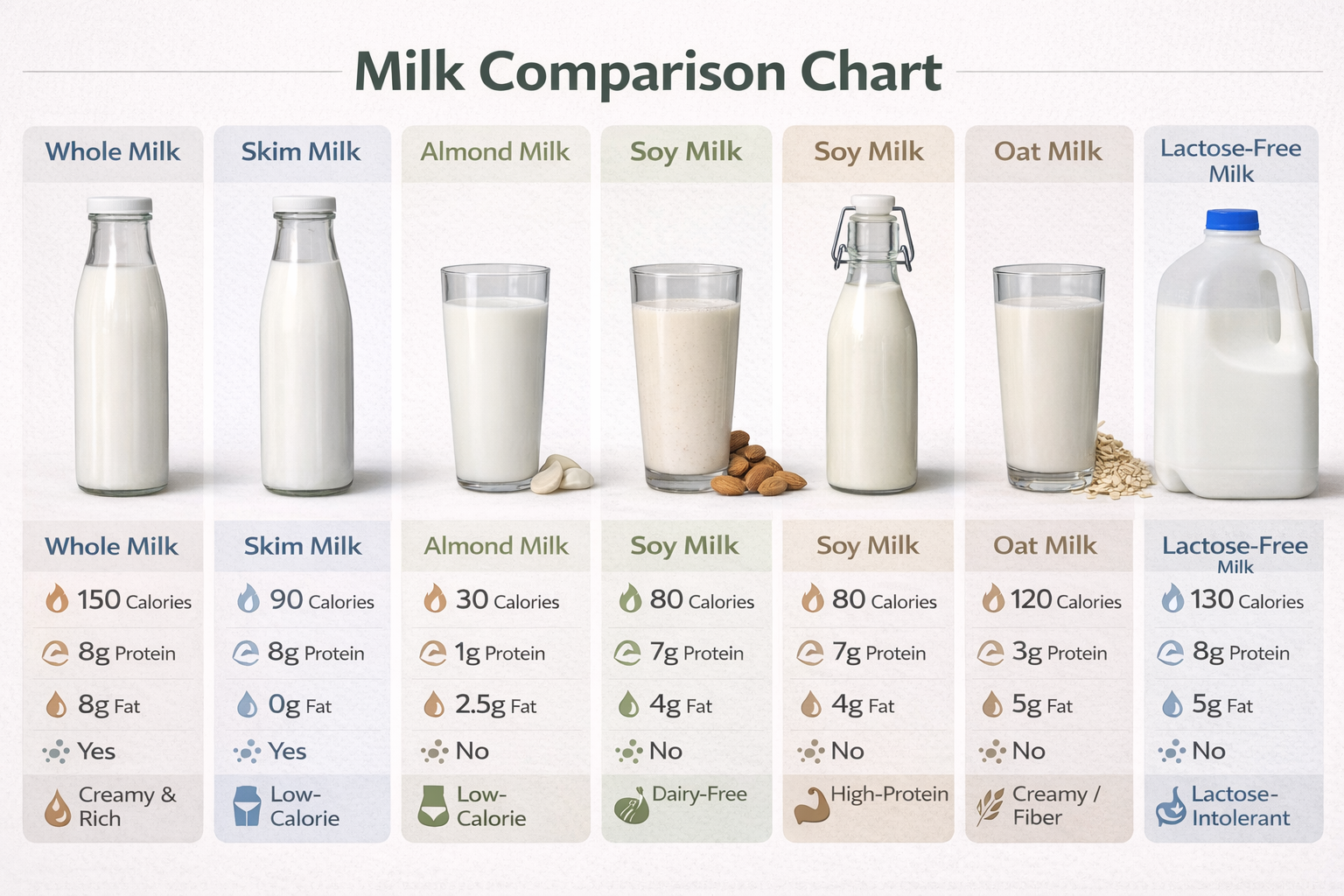
5. Almond Milk - The Disappointing Favorite
Everyone loves almond milk, right? It's trendy, vegan-friendly, and comes in fancy packaging.
But for gut health? It's honestly not great.
The problems I discovered:
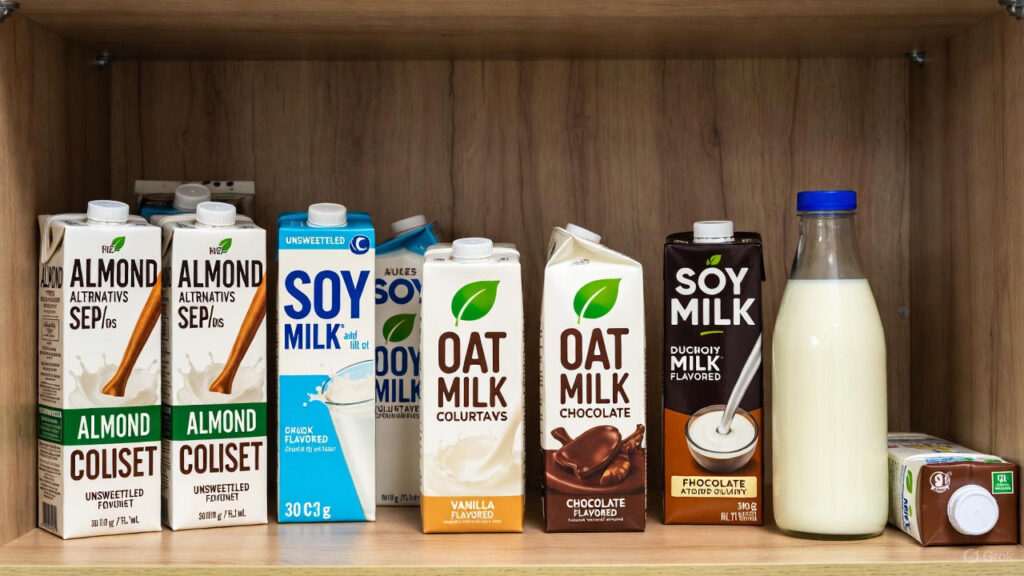
- Most brands are loaded with thickeners and gums (carrageenan, guar gum)
- These additives can actually irritate your gut lining
- Very low in protein (almost negligible)
- Often contains added sugars
- No natural probiotics or beneficial bacteria
When I use it:
Only for taste variety, and I always choose brands with minimal ingredients. It's fine occasionally, but it's not doing anything positive for your gut health.
The Plant Milks Worth Considering
Since we're talking alternatives, let me quickly cover the plant-based options I tried:
Coconut Milk (The Good One)
Full-fat coconut milk contains medium-chain triglycerides (MCTs) that can actually support gut health. I use this in smoothies and curries. Just avoid the versions with additives.
Oat Milk (The Tricky One)
Oat milk is trendy, but here's the issue: oats are high in fiber, which sounds good but can cause bloating if your gut isn't used to it. Also, many brands add oils and thickeners.
I use it sparingly, and only brands with clean ingredients.
The Science Nobody Talks About
Here's something most articles won't tell you: your gut health depends on more than just the type of milk you drink.
The Probiotic Connection
When I combined kefir with A2 milk, something interesting happened. The probiotics in kefir seemed to help my gut tolerate other dairy products better.
Research supports this - probiotics can help your gut produce lactase (the enzyme that breaks down lactose) and reduce inflammation from dairy proteins.
The Temperature Factor
This sounds weird, but I noticed that cold milk from the fridge bothered my gut more than room-temperature milk. Some Ayurvedic practitioners suggest this, and while I'm not sure about the science, it worked for me.
The Timing Matters
Drinking milk on an empty stomach hit different than having it with food. I get better results when I have milk with my breakfast rather than just in black coffee.
My Current Daily Routine (What Actually Works)
Here's exactly what I do now, after two years of experimentation:
Morning (7 AM):
Half cup of kefir blended with banana and honey. Sometimes I add a tablespoon of ground flaxseed for extra gut-supporting fiber.
Mid-Morning (9 AM):
Coffee with A2 milk. Finally, a latte without regret.
Evening (6 PM):
Sometimes a small glass of goat milk if I'm feeling like I need extra nutrition.
Before Bed:
Occasionally, warm A2 milk with a pinch of turmeric and black pepper. This ancient combination actually seems to help with sleep and digestion.
The Red Flags to Watch For
Not all "gut-friendly" milks are created equal. Here's what to avoid:
Added Sugars
If your almond or oat milk has more than 5g of sugar per serving, skip it. Sugar feeds bad gut bacteria.
Inflammatory Oils
Many plant milks contain sunflower oil or canola oil. These can be inflammatory for sensitive guts.
Thickeners and Gums
Carrageenan, guar gum, gellan gum - these additives are notorious for causing digestive issues in sensitive people.
Ultra-Pasteurization
While pasteurization is necessary for safety, ultra-pasteurized milk has been heated to extremely high temperatures, destroying potentially beneficial enzymes.
How to Test What Works for YOUR Gut
Here's my honest advice: your gut is unique. What worked for me might not work for you.
My testing protocol:
Week 1: Cut out all dairy completely. Let your gut reset.
Week 2: Introduce one type of milk, one serving per day. Keep a journal of how you feel - bloating, energy, bathroom habits, mood.
Week 3: If no issues, increase to two servings per day. Still tracking everything.
Week 4: Either continue with that milk or try a different one.
Be patient. Your gut needs time to adjust and show you clear signals.
The Bottom Line (What I Wish I Knew Years Ago)
If you're struggling with gut health and you love milk, don't give up on it completely. Just be smarter about your choices.
For me, the winning combination was:
- Kefir for probiotic power
- A2 milk for daily use
- Goat milk for variety
These three transformed my digestive health in ways I never expected.
But remember - I'm not a doctor. I'm just someone who struggled with gut issues for years and finally found what works. Your body might respond differently.
The real lesson? Listen to your gut. Literally. It's smarter than you think.
Your Action Plan (Start Today)
If you're dealing with gut issues and suspect milk might be involved:
This week: Try kefir. Just half a cup. See how you feel.
Next week: Switch your regular milk to A2 milk. Notice the difference.
Track everything: Keep a simple journal. What you ate, how you felt, your energy levels.
Be patient: Gut healing takes time. Give each change at least two weeks.
Combine strategies: Good milk choices + probiotics + fiber-rich foods = best results.
Final Thoughts
Three years ago, I was convinced I'd never enjoy milk again without paying the price. Today, I'm drinking better milk and feeling better than I have in years.
The journey was frustrating, expensive, and sometimes embarrassing (gut issues are no joke). But it taught me something valuable: the solution isn't always elimination - sometimes it's just making smarter choices.
Your gut is trying to tell you something. Maybe it's time to listen.
If you're struggling with similar issues, try what I've shared here. And then come back and tell me your story - I read every comment because your experience might help someone else.
Here's to better gut health and finally enjoying that morning coffee without regret.